
What we heard at the InReach networking event
Last week we attended an event hosted by iNREACH Group Limited and came away with a clear impression
SMEs Are Moving Beyond AI Curiosity Towards Business Transformation
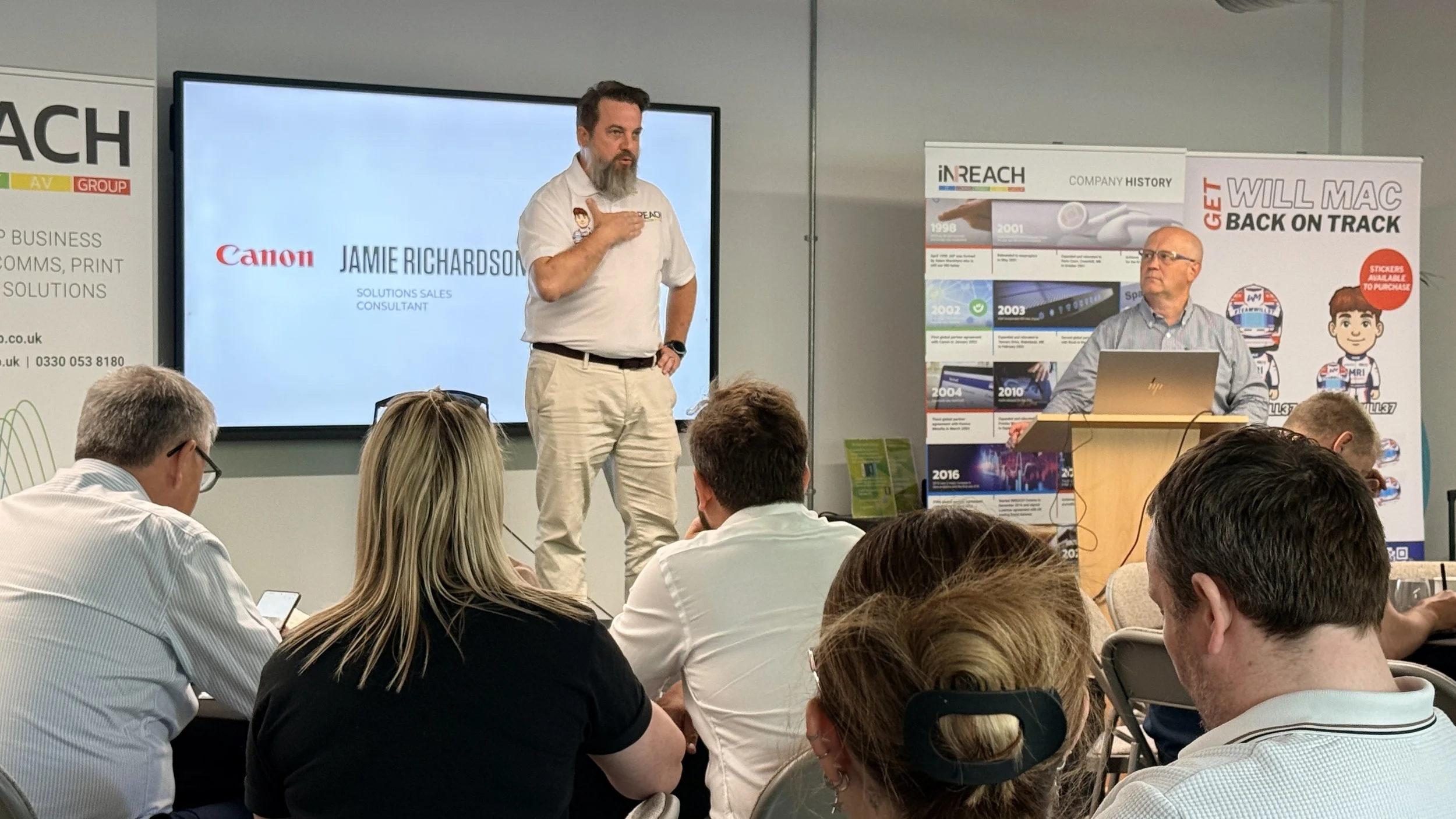
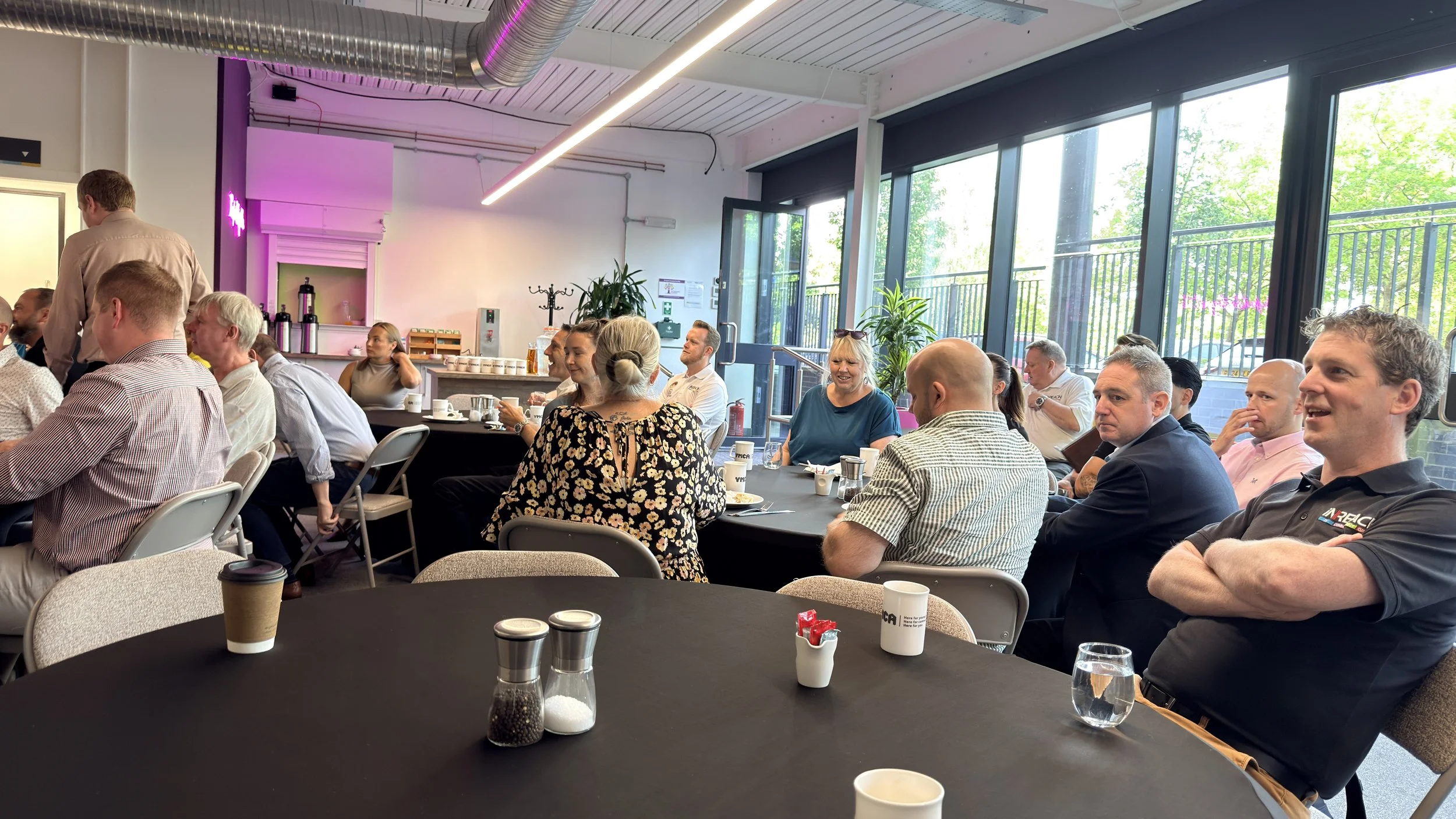
Last week, Twibill Intelligence attended a business networking event hosted by iNREACH Group in Milton Keynes.
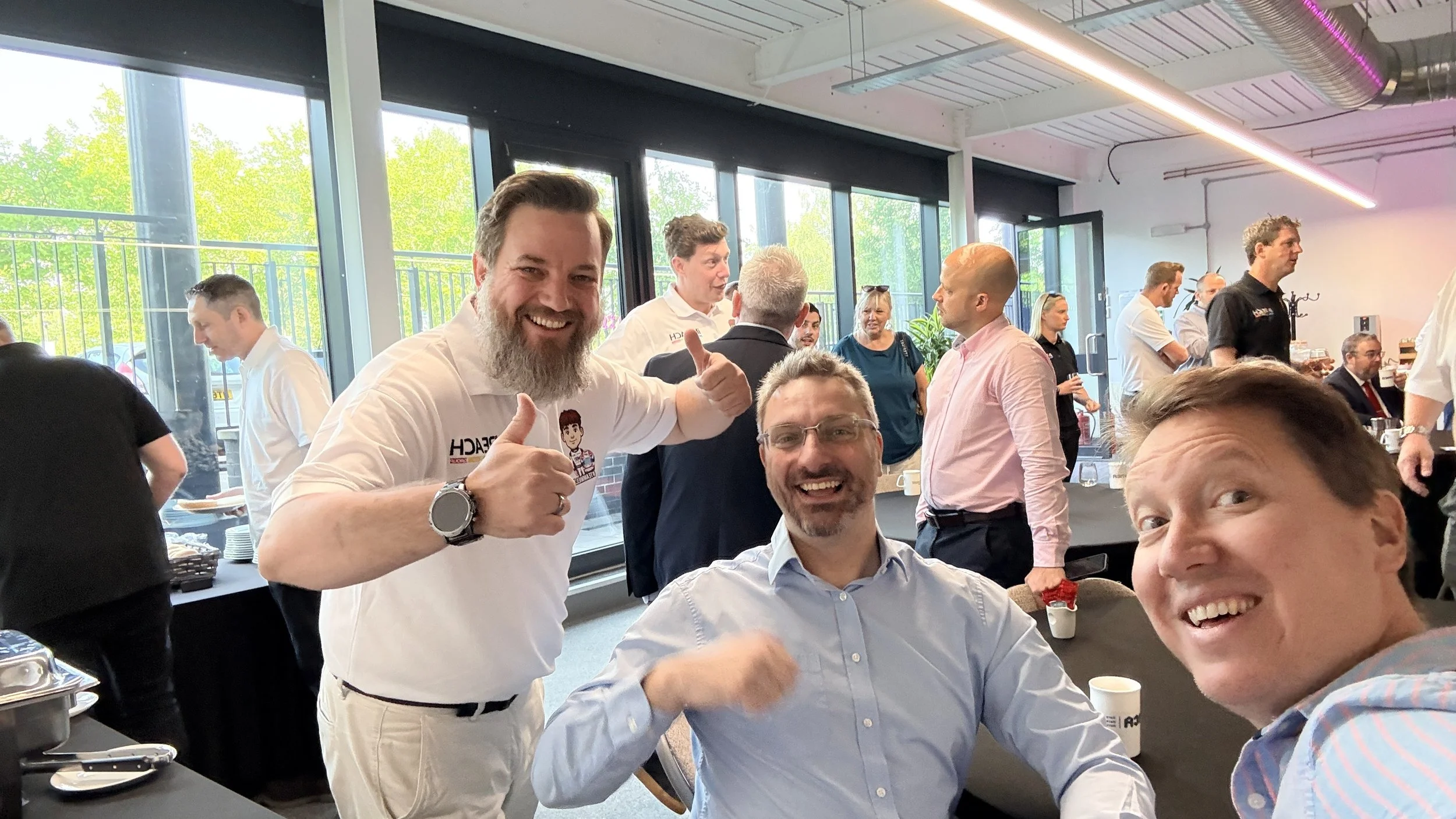
The event brought together businesses from multiple sectors including enterprise technology, cybersecurity, managed services and business support. Conversations with organisations including Canon EMEA and Kaseya highlighted a clear shift taking place across the SME market.
Businesses are moving beyond AI experimentation and beginning to focus on implementation, integration and measurable business outcomes.
The Business AI Conversation Has Changed
For much of 2024 and 2025, the dominant question was simple:
“Should our business be using AI?”
In 2026, that question appears largely resolved.
Most SMEs already have access to some form of artificial intelligence capability, including:
Content generation tools
Meeting assistants
Customer support chatbots
Workflow automation platforms
Data analysis tools
CRM intelligence features
The challenge facing businesses today is no longer access to technology.
The challenge is operational integration.
The emerging question is: How do we integrate AI into existing workflows, teams and commercial processes in a way that creates measurable value?
This represents an important change in market maturity.
Workflow Integration Is Becoming More Important Than Tool Selection
Many SMEs now operate with increasingly complex technology stacks.
Typical systems include:
CRM platforms
Marketing automation systems
ERP software
Customer service tools
Collaboration platforms
Financial systems
Business intelligence dashboards
Individually these platforms often work well. The problem appears between the systems rather than within them. Manual handovers, duplicated data entry, inconsistent reporting and fragmented customer journeys remain common operational challenges across growing organisations.
Adding another software platform rarely solves these issues. Improving workflow design and information flow often creates significantly greater commercial value.
Cybersecurity Has Become A Commercial Requirement
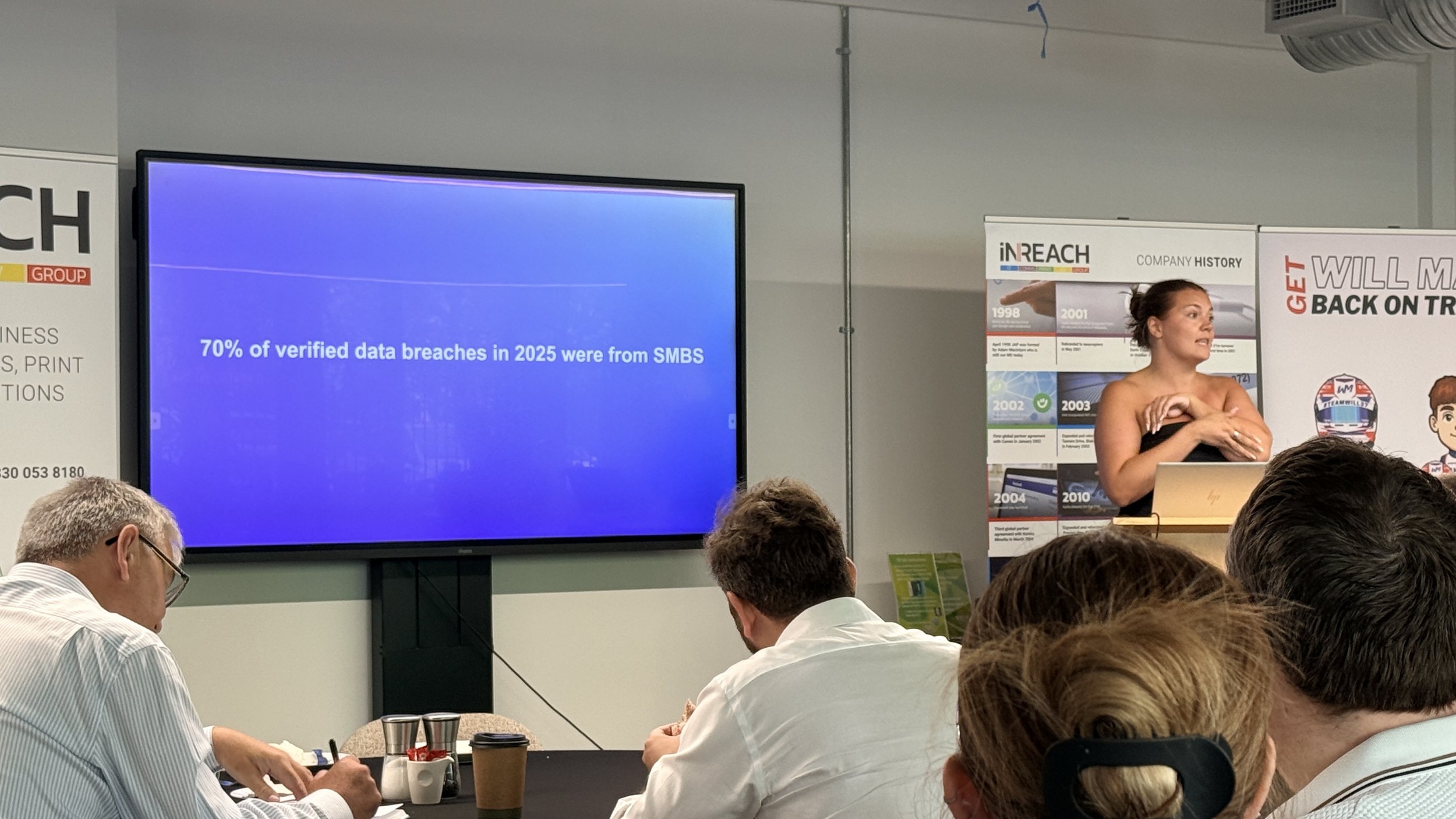
Another notable theme from discussions at the event was the changing role of cybersecurity.
Historically, cybersecurity was considered an IT responsibility.
Increasingly it is becoming a commercial and board-level issue.
Customers, suppliers and investors now expect businesses to demonstrate:
Secure systems
Responsible data management
Governance processes
AI risk controls
Operational resilience
Trust is becoming a competitive differentiator. This trend is likely to accelerate as AI adoption continues to increase across supply chains and customer interactions.
Customer Expectations Continue To Rise
Technology adoption is occurring alongside changing customer expectations.
Regardless of company size, customers increasingly expect:
Faster response times
Personalised communication
Consistent experiences
Self-service options
Better visibility throughout the buying journey
Large enterprises often address these expectations through dedicated transformation programmes and significant investment.
SMEs frequently need to achieve similar outcomes with significantly smaller teams and budgets.
This is creating increased interest in workflow optimisation, automation and operational coordination.
The Emerging Opportunity For SMEs
The businesses likely to benefit most from AI over the coming years may not necessarily be those deploying the largest number of tools.
Instead, competitive advantage may increasingly come from organisations that can effectively align:
People
Processes
Technology
Data
Decision making
The next phase of AI adoption is unlikely to be defined by experimentation.
It will be defined by execution.
Key Takeaways
The discussions at the iNREACH event reinforced five clear observations:
Most SMEs have already started their AI journey.
Integration challenges are replacing adoption challenges.
Workflow design is becoming increasingly important.
Cybersecurity is becoming a commercial issue rather than purely an IT issue.
Businesses that align people, process and technology effectively are likely to gain advantage.
Final Thoughts
Events such as those organised by iNREACH Group provide a useful snapshot of how business priorities are evolving.
The technology itself is no longer the primary discussion.
The conversation is increasingly focused on implementation, operational coordination and commercial impact.
For SMEs, this may prove to be the most important transition in the AI market so far.